Why Students Don’t Like Learning — And How We Can Make Learning Natural Again
For 99% of human history, "learning" was not something that happened in a chair. It was a high-stakes, sensory-rich process of survival. As a world-class researcher, I look at our history not as a series of dates, but as a biological evolution. For hundreds of thousands of years, our ancestors were hunter-gatherers.
And how learning can become natural again — by understanding how humans have always learned.
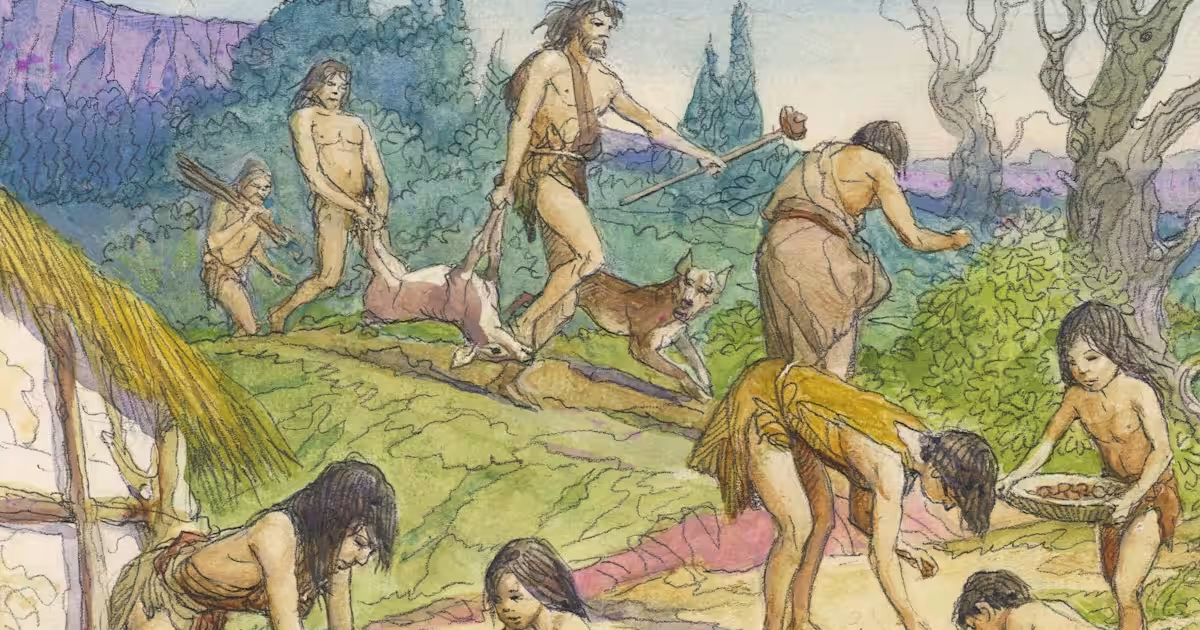
1. Learning was never abstract — it was survival. In that era, intelligence was measured by your ability to read the environment, not a page.
For most of human history, learning was never separated from life.
Early humans learned because they had to survive.
The Jungle vs. The Desk: When an ancestor crossed a jungle to fetch water, their brain was firing on all cylinders. They had to hear the snap of a twig (predator detection), smell the dampness of the earth (weather forecasting), and remember the specific shape of a leaf (medicinal or poisonous).
The Gut over the Book: Survival relied on cues from nature—the stars, the moon, and the behavior of animals. This developed a "gut feeling" or intuition that was far more valuable than rote memorization.
- They learned how to hunt, because hunger was real.
- They learned how to detect danger, because predators were real.
- They learned how to read nature, because weather, water, and seasons determined life or death.
This learning was:
- Physical
- Sensory
- Immediate
- Meaningful
No one sat children down and said, “Learn this because it will be useful someday.”
Learning happened inside action.
A child learned by:
- Walking through forests
- Observing elders
- Listening to sounds
- Feeling fear, curiosity, and excitement
- Making mistakes with real consequences
This kind of learning shaped the human brain over thousands of generations.
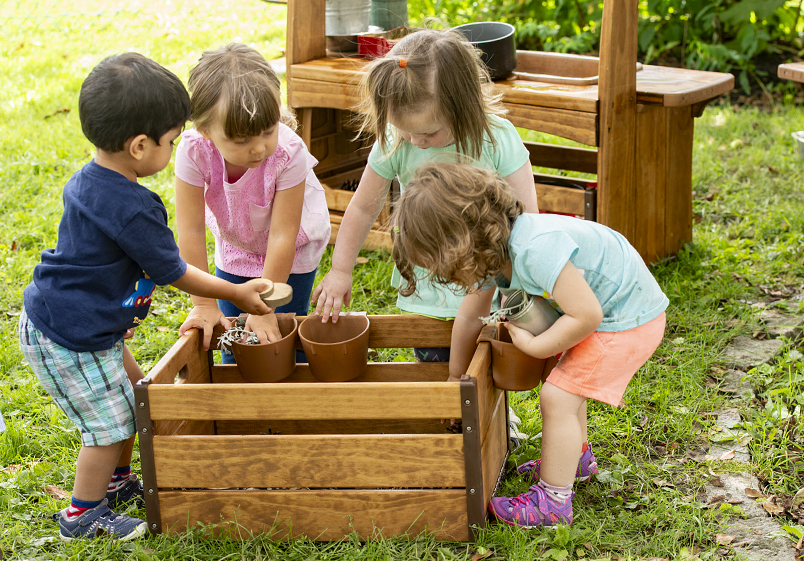
2. Play, movement, and social connection were central to intelligence
Humans evolved as physically active, socially connected beings.
Play was not entertainment.
Play was training.
- Games sharpened reflexes
- Movement built coordination
- Storytelling passed knowledge
- Rhythm and music regulated emotions
Even today, we see this clearly:
- Children move naturally
- They learn faster through play
- They resist prolonged stillness
We never ask a child to go and play.
We constantly ask them to sit and study.
3. Reading and writing are culturally new skills
For most of civilization, reading and writing were not universal requirements.
Only a small group needed formal literacy.
Most people lived intelligent, skilled lives without textbooks.
They were educated in different ways:
- Observing nature
- Understanding people
- Reading situations
- Responding intuitively to the environment
4. Modern education is evolutionarily new
Mass education emerged rapidly after industrialization.
- Factories needed workers who could read and count
- Systems needed standardisation
- Learning became abstract and delayed
Human biology did not change at the same speed.
5. How to make learning natural: a holistic approach
Since we cannot wait another 10,000 years for human biology to evolve, we must adapt our pedagogy — the way we teach — to fit how the human brain already works.
i. The power of the role model
In traditional societies, learning happened inside a tribe — grandparents, elders, aunts, and uncles were all part of a child’s learning environment.
In modern nuclear families, that tribe is often missing. The parent becomes the primary blueprint for behaviour.
If a child sees learning only as something they are instructed to do, while adults are constantly busy with stressful work, learning becomes associated with pressure and isolation.
Stop dictating. Start demonstrating.
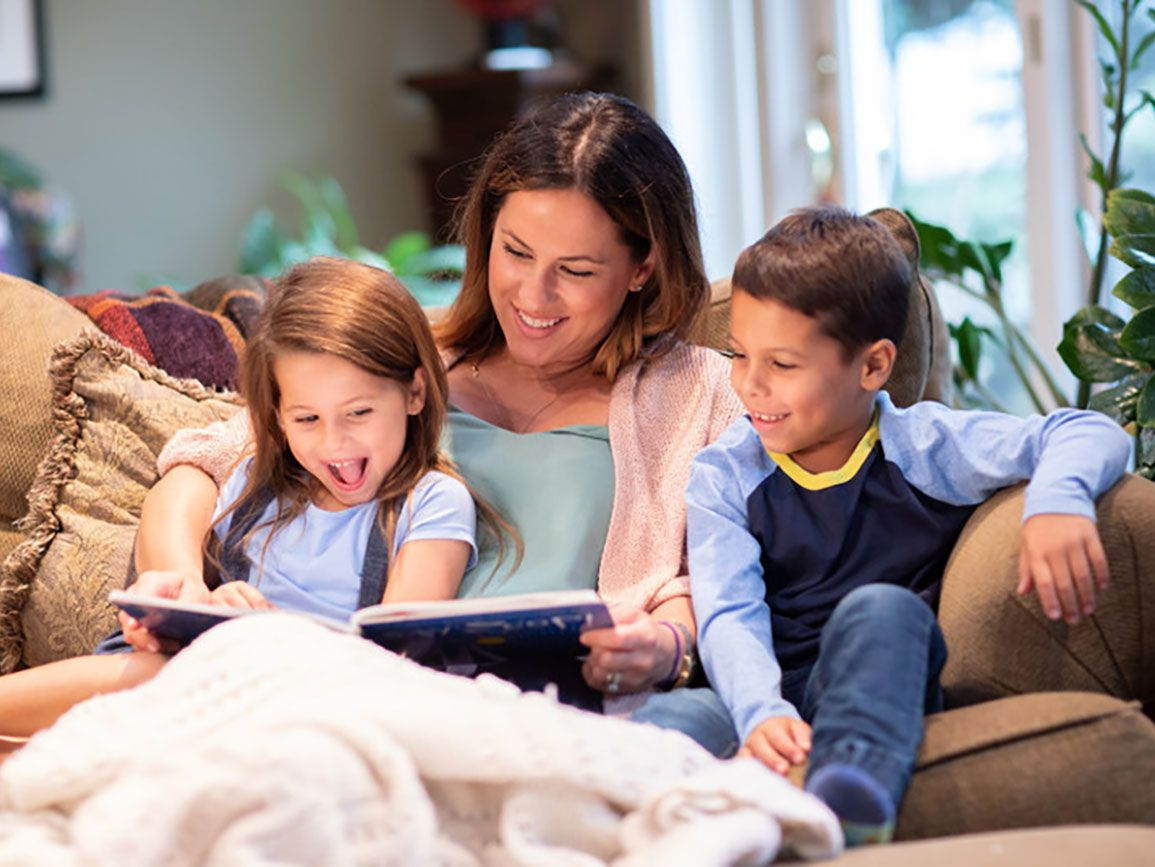
Close the laptop occasionally. Take a book — even a simple one. Solve a small problem on paper. Let your child see curiosity in action.
ii. Move from friction to flow
Learning becomes difficult when it is disconnected from experience.
- If we want to teach biology, start in the garden — not the glossary.
- If we want to teach physics, start with a ball — not a formula.
- If we want to teach mathematics, start with patterns — not procedures.
When abstract ideas are anchored in physical experience, the brain recognises meaning — and resistance dissolves.
iii. Reclaiming the “hero” status
A child does not want a boss. They want a hero.
When learning is presented as punishment, control, or pressure, curiosity retreats.
When learning is shown as a tool for empowerment, children lean in naturally.
6. In Conclusion: Learning must evolve faster than biology
Children are not broken.
Their brains are honest.
If learning feels hard, it is not a lack of intelligence.
It is a mismatch between how humans evolved and how learning is delivered.
The responsibility is not with the child.
It is with us — parents, educators, and society.
Education will succeed not by fighting biology,
but by working with it.